
Blog
Take A Look At Our Newest Blog Posts
Creatine Benefits Explained: Strength, Muscle Growth, Brain Health and Healthy Ageing
By Felipe Rodas, BSc Nutrition
If there were one supplement that consistently earns a place at the top of my recommendations, it would be creatine monohydrate.
Despite being one of the most studied supplements in sports nutrition, creatine is still often misunderstood. Many people associate it exclusively with bodybuilding or elite athletes, yet research suggests its benefits extend far beyond increasing muscle size or improving gym performance.
Today, creatine is recognised as one of the most extensively researched nutritional supplements, with substantial evidence supporting its safety and effectiveness for exercise performance, muscle health, recovery, and healthy ageing (Kreider et al., 2017).
Whether you're an athlete, busy professional, recreational gym-goer, or simply someone looking to maintain long-term health and physical function, creatine may be one of the most valuable additions to your routine.
What Is Creatine?
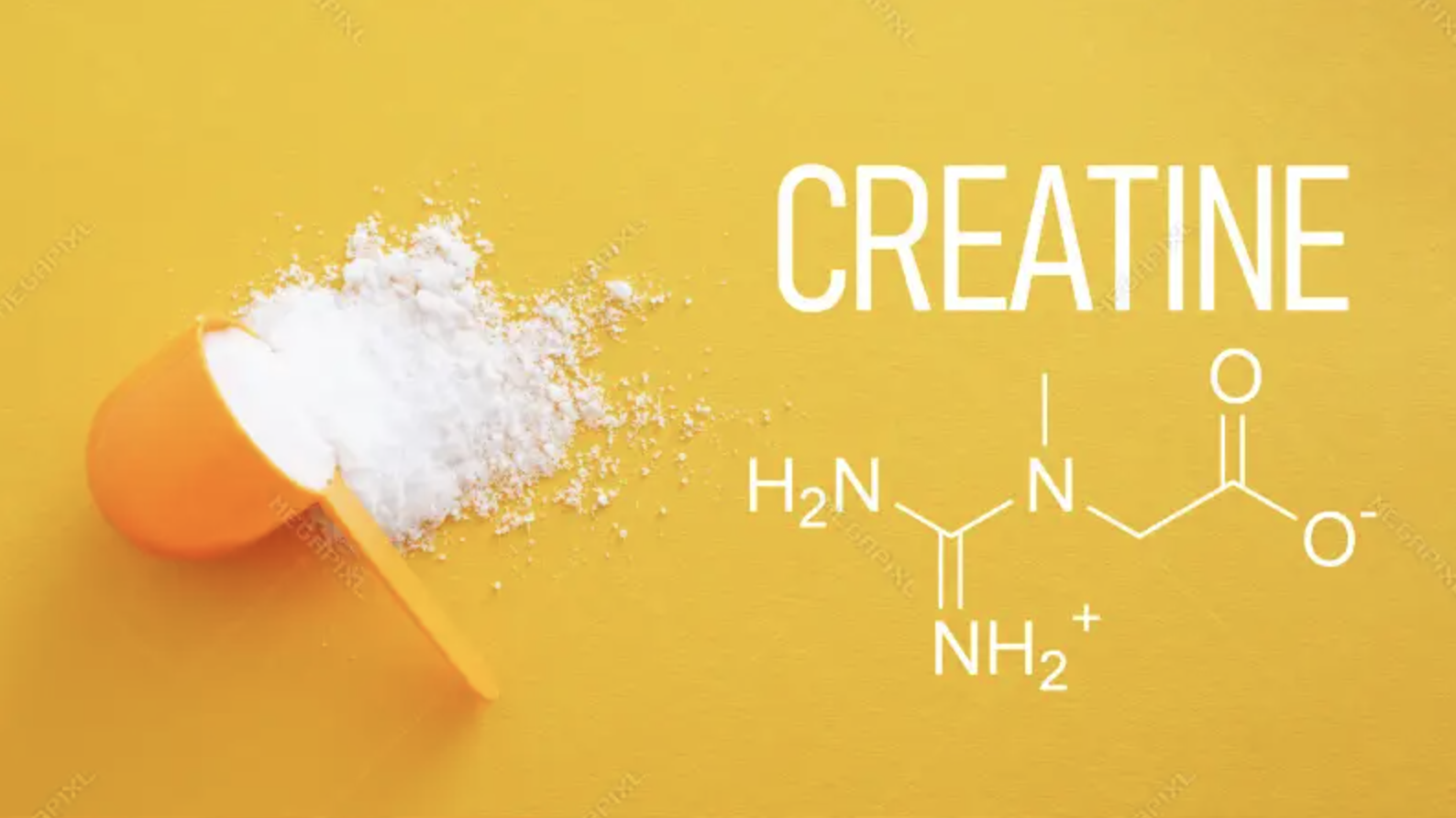
Creatine is a naturally occurring compound produced by the body from the amino acids glycine, arginine, and methionine. It is primarily synthesised in the liver, kidneys, and pancreas and stored mainly within skeletal muscle.
You can also obtain creatine through food sources such as:
- Red meat
- Beef
- Lamb
- Fish
- Poultry
Approximately 95% of the body's creatine is stored in muscle tissue, with the remaining 5% found in the brain and other organs.
Its primary role is to support the rapid regeneration of ATP (adenosine triphosphate), the body's immediate energy source. During short bursts of intense activity, such as sprinting, lifting weights, jumping, or explosive movements, ATP stores are rapidly depleted.
Creatine helps replenish ATP more efficiently, allowing you to maintain higher levels of performance during repeated bouts of exercise (Kreider et al., 2017).
Creatine Benefits for Strength and Muscle Growth
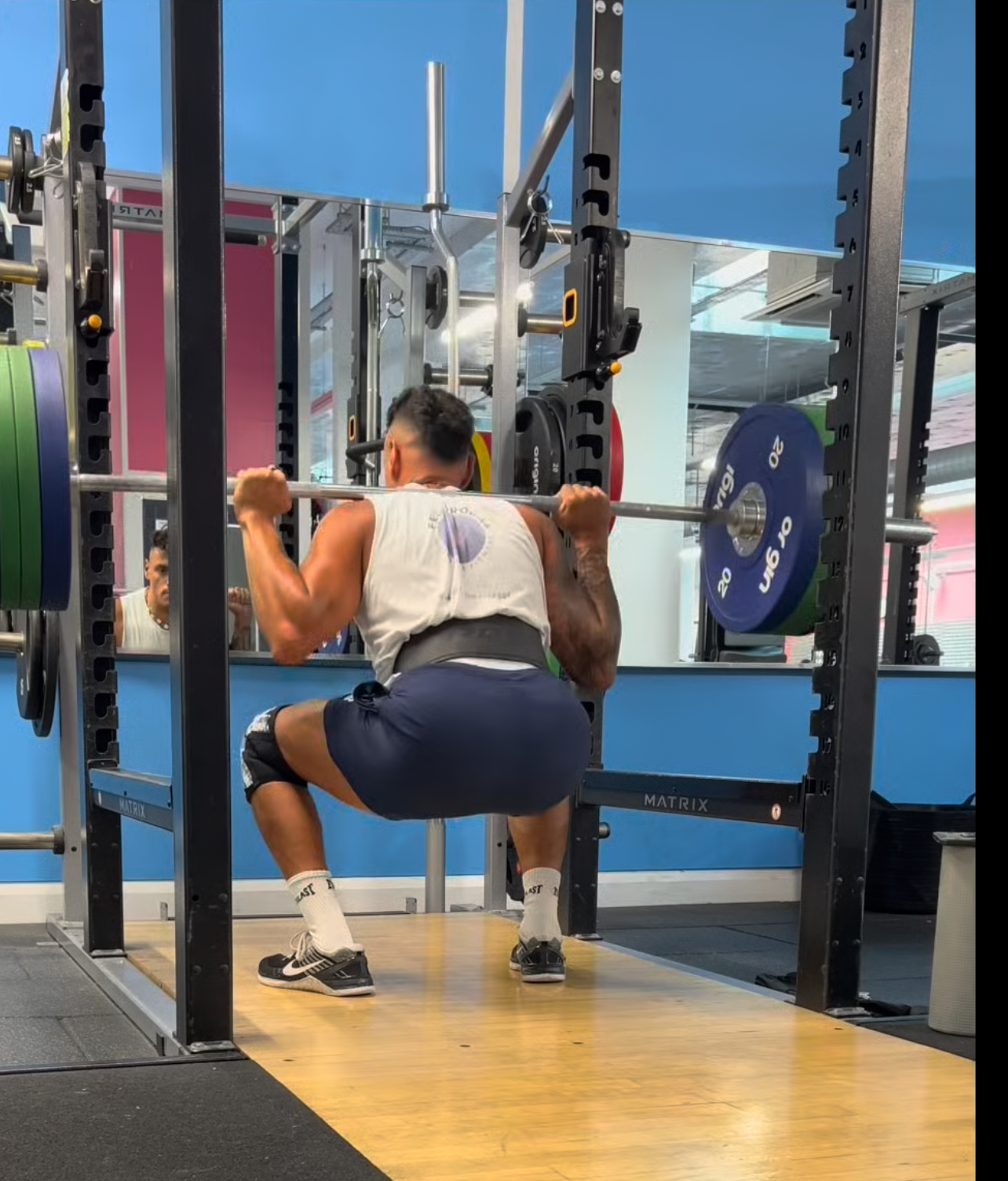
The strongest body of evidence regarding creatine concerns improvements in strength, power, and muscle mass.
Numerous studies have demonstrated that creatine supplementation combined with resistance training can significantly improve strength, power output, lean body mass, and training performance compared with resistance training alone (Kreider et al., 2017; Branch, 2003).
Increased Training Performance
Creatine allows you to perform more total work during training sessions. This may mean:
- Completing additional repetitions
- Lifting heavier weights
- Maintaining higher training intensity
- Recovering faster between sets
Over time, these improvements accumulate, contributing to greater muscle growth and strength development.
Enhanced Muscle Cell Hydration
Creatine draws water into muscle cells, creating an environment that may support muscle protein synthesis and recovery.
Contrary to popular myths, this is not simply "water weight." Cellular hydration is considered one of several mechanisms contributing to improved training adaptations (Kreider et al., 2017).
Improved Recovery
Emerging evidence suggests creatine may assist recovery by reducing exercise-induced muscle damage and supporting repeated high-intensity performance (Kreider et al., 2017).
For anyone seeking to build muscle, improve body composition, or increase strength, creatine remains one of the most effective and cost-efficient supplements available.
Creatine and Brain Health

One of the most exciting areas of modern creatine research involves its effects on the brain.
Just like muscle tissue, the brain has significant energy demands. Creatine plays an important role in cellular energy production throughout the nervous system.
Research suggests creatine supplementation may support:
- Working memory
- Mental processing speed
- Cognitive performance
- Resistance to mental fatigue
- Performance during sleep deprivation
Some of the strongest effects have been observed in individuals with lower baseline creatine stores, including vegetarians and vegans who consume little or no dietary creatine (Avgerinos et al., 2018).
Research suggests that creatine supplementation may improve aspects of cognitive function, particularly during periods of sleep deprivation and increased cognitive demand (Avgerinos et al., 2018; Rawson & Venezia, 2011).
Although further research is needed, scientists are increasingly interested in creatine's potential role in supporting cognitive function across the lifespan.
Creatine and Healthy Ageing
When most people think about ageing well, they focus on avoiding disease. However, maintaining strength, muscle mass, mobility, and independence is equally important.
From around the age of 30, adults gradually begin to lose muscle mass and strength if no preventative measures are taken. This process accelerates later in life and can contribute to reduced physical function and increased risk of falls.
Research suggests that creatine supplementation combined with resistance training may improve muscle mass, strength, and functional performance in older adults, making it a promising intervention for healthy ageing (Candow et al., 2019).
This is one reason why many experts now view creatine not simply as a sports supplement but as a potential tool for healthy ageing.
Maintaining muscle is one of the strongest predictors of long-term health, quality of life, and resilience as we age.
Common Creatine Myths
Despite decades of research, misconceptions surrounding creatine still persist.
Myth 1: Creatine Damages the Kidneys
Current evidence indicates that creatine supplementation is safe in healthy individuals when consumed at recommended dosages and does not adversely affect kidney function (Kreider et al., 2017; Antonio et al., 2021).
While creatine increases blood creatinine levels, this does not indicate kidney damage. Creatinine is simply a breakdown product of creatine metabolism.
Myth 2: Creatine Causes Dehydration
Modern research has failed to support the claim that creatine increases dehydration risk. In fact, some evidence suggests creatine may improve intracellular hydration status (Kreider et al., 2017).
Myth 3: Creatine Is Only for Men
Creatine can be highly beneficial for women.
Women may experience improvements in:
- Strength
- Exercise performance
- Recovery
- Muscle preservation
- Healthy ageing outcomes
Many women avoid creatine because they fear becoming bulky. This misconception has little scientific basis.
How Much Creatine Should You Take?
The simplest and most evidence-based recommendation is:
3–5 grams of creatine monohydrate daily.
Some individuals choose to complete a loading phase of approximately 20 grams per day for 5–7 days before transitioning to a maintenance dose.
While loading can saturate muscle stores more quickly, it is not necessary.
Taking 3–5 grams daily will achieve full muscle saturation within several weeks (Kreider et al., 2017).
Consistency is more important than timing.
Frequently Asked Questions About Creatine
What is the best form of creatine?
Creatine monohydrate remains the most researched and evidence-based form of creatine supplementation. Most studies investigating the benefits of creatine have used creatine monohydrate (Kreider et al., 2017).
Should I take creatine every day?
Yes. Daily supplementation is recommended to maintain elevated muscle creatine stores. Consistency is more important than timing.
When should I take creatine?
Research suggests that timing is less important than total daily intake. Consuming 3–5 grams daily is generally sufficient for most healthy adults (Kreider et al., 2017).
Can women take creatine?
Absolutely. Research suggests women may benefit from creatine supplementation for strength, exercise performance, recovery, and healthy ageing.
Is creatine safe?
Current evidence suggests creatine is safe in healthy individuals when consumed at recommended dosages (Kreider et al., 2017; Antonio et al., 2021).
How long does creatine take to work?
Most individuals will fully saturate muscle creatine stores within approximately 3–4 weeks when consuming 3–5 grams daily.
Why I Personally Use Creatine

As a Performance & Longevity Coach and BSc Nutrition graduate, I prioritise interventions that are evidence-based, safe, effective, affordable, and sustainable.
Creatine is one of the few supplements that consistently meets all of these criteria.
I personally take creatine monohydrate daily because of the strength of the scientific evidence supporting its benefits for physical performance, muscle health, and long-term wellbeing (Kreider et al., 2017).
While no supplement can replace good nutrition, effective training, quality sleep, and healthy lifestyle habits, creatine remains one of the most researched and effective supplements available.
Watch the Full Video
I've created a detailed YouTube video explaining:
- How creatine works
- The benefits of strength and muscle growth
- Common myths and misconceptions
- Recommended dosage
- The potential benefits for cognitive function and healthy ageing
👉 Watch the full video here:
The Creatine I Personally Use and Recommend
As a coach, I prioritise interventions that are:
- Evidence-based
- Safe
- Effective
- Affordable
- Sustainable
Creatine meets all five criteria.
I personally use and recommend high-quality creatine monohydrate from DoNotAge.
If you're looking for a simple, effective, and research-backed supplement to support performance, recovery, muscle health, and healthy ageing, creatine is one of the best places to start.
View DoNotAge Creatine Here:
https://donotage.org/creatine?dna_link=1386
Use code: RODAS
Ready to Optimise Your Health, Performance and Longevity?
Supplements can be helpful, but they are only one piece of the puzzle.
The greatest improvements in body composition, energy levels, physical performance, and long-term health come from combining:
- Evidence-based nutrition
- Effective training
- Quality sleep
- Stress management
- Consistent habits
As a Performance & Longevity Coach and BSc Nutrition graduate, I help clients build sustainable strategies that support both their immediate goals and their long-term health.
Book a consultation here:
https://www.feliperodas.co.uk/
References
Antonio, J., Candow, D. G., Forbes, S. C., et al. (2021). Common questions and misconceptions about creatine supplementation: What does the scientific evidence really show? Journal of the International Society of Sports Nutrition, 18(1), 13.
Avgerinos, K. I., Spyrou, N., Bougioukas, K. I., & Kapogiannis, D. (2018). Effects of creatine supplementation on cognitive function of healthy individuals: A systematic review of randomized controlled trials. Experimental Gerontology, 108, 166–173.
Branch, J. D. (2003). Effect of creatine supplementation on body composition and performance: A meta-analysis. International Journal of Sport Nutrition and Exercise Metabolism, 13(2), 198–226.
Candow, D. G., Forbes, S. C., Chilibeck, P. D., Cornish, S. M., Antonio, J., & Kreider, R. B. (2019). Variables influencing the effectiveness of creatine supplementation as a therapeutic intervention for sarcopenia. Frontiers in Nutrition, 6, 124.
Kreider, R. B., Kalman, D. S., Antonio, J., et al. (2017). International Society of Sports Nutrition position stand: Safety and efficacy of creatine supplementation in exercise, sport, and medicine. Journal of the International Society of Sports Nutrition, 14(18).
Rawson, E. S., & Venezia, A. C. (2011). Use of creatine in the elderly and evidence for effects on cognitive function in aging. Amino Acids, 40(5), 1349–1362.
Disclaimer
The information provided in this article is for educational purposes only and should not be considered medical advice. Always consult a qualified healthcare professional before beginning any supplementation programme.

Contact
info@feliperodas.co.uk
Tel: 07473011140
15 Lett Road, Stockwell, SW90AF
© 2023 by Felipe Rodas PT. Created by VIV-Z